Loading data...

Numerous deposits can be distinguished that produce collector minerals. The most important ones will be discussed below.
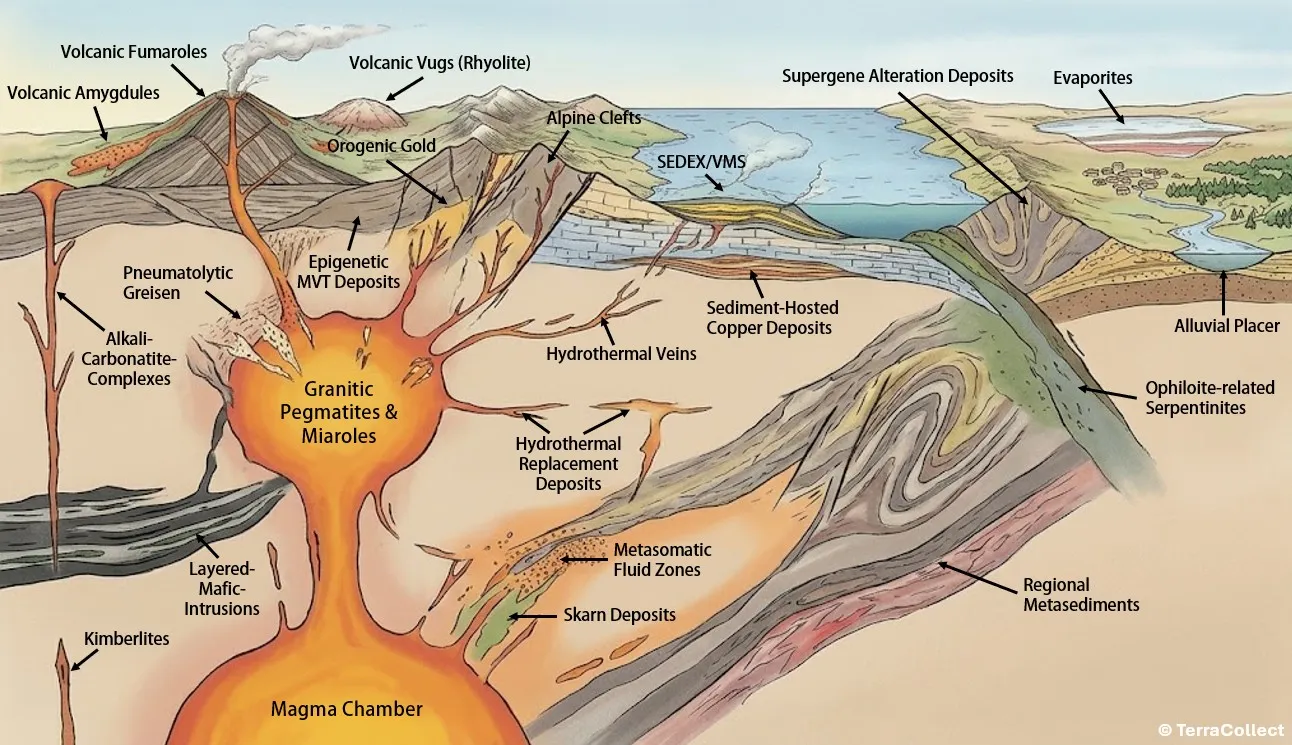
Alkali and carbonatite complexes form through the partial melting of subcontinental lithospheric mantle, which has previously been enriched by metasomatic fluids containing alkalis, carbonates, and incompatible trace elements (REE, HFSE, LILE). The magmas generated in this way preferentially ascend into the Earth's crust in extensional zones such as continental rift valleys (African Rift) or above intracontinental mantle plumes (hotspots). During ascent and cooling, the melt separates due to immiscibility into an alkali-silicate and a carbonatite fraction, from which the characteristic mineral associations arise through subsequent fractional crystallization. In the early magmatic crystallization phase of alkali complexes, the main rock-forming minerals are alkali feldspar, feldspathoids (e.g., nepheline), pyroxenes, amphiboles, and phosphates (apatite). These mainly combine to form syenites and foidolites. Through their crystallization, the incompatible elements (Zr, Nb, Ta, REE) and alkalis in the residual melt are now concentrated, so that in the subsequent pegmatitic phase, many HFSE- and REE-containing alkali silicates (e.g., eudialyte, katapleite), as well as HFSE oxides such as pyrochlore or columbite, crystallize. Finally, in the hydrothermal phase, only hot, aqueous, CO2- and halogen-rich residual solutions circulate through cracks and open cavities. Many late carbonates (e.g., calcite, siderite), REE fluorocarbonates (e.g., bastnäsite), REE phosphates (e.g., monazite), and sulfides (e.g., sphalerite) are formed. Further new minerals can form or recrystallize through subsequent transformation and alteration processes. The typical minerals in carbonatites are the rock-forming carbonates such as calcite, dolomite, and ankerite, which crystallize to form the carbonatites (sövite, alvikite, beforsite), as well as characteristic associated minerals such as apatite, phlogopite, and Fe-Nb-Ta oxides (e.g., magnetite, pyrochlore). As collector minerals, rare earth element (REE) fluorocarbonates (e.g., bastnäsite, synchysite) and REE phosphates (e.g., monazite) are found in fissures and cavities.
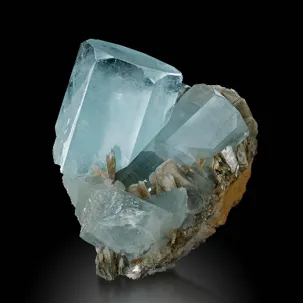
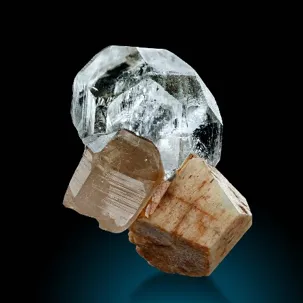
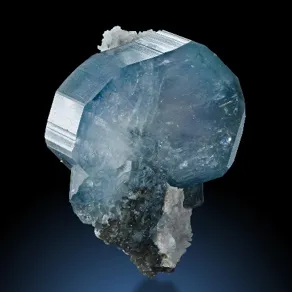
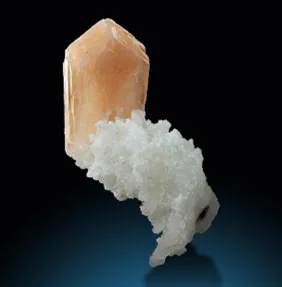
Magmatic intrusions with a granitic composition arise from the partial melting (anatexis) of continental crust. This can involve metasediments in continental collision zones (S-type), older magmatic rocks in subduction zones (I-type), as well as parts of the lower crust in extensional settings (rift zones, hotspots) (A-type). However, due to contamination (AFC processes) with the Earth's crust during magma ascent, a definitive identification of the type is often difficult. These large-scale intrusions accumulate as magma chambers in the middle to upper crust and crystallize there as a typical granitic association of quartz, alkali feldspar (microcline, orthoclase), plagioclase (albite), and mica (muscovite, biotite). During the ascent and slow cooling of these plutons, progressive fractional crystallization leads to the extreme enrichment of incompatible elements (LILE, HFSE, REE) and volatile components (H2O, F, Cl, B) in the remaining residual melt. In the roof regions of the intrusions or in the adjacent country rock, these highly differentiated residual melts crystallize into coarse-grained pegmatites, while in the previously solidified granite, separated gas and fluid bubbles can collect to form druse-like cavities (miaroles). In so-called lithium-cesium-tantalum pegmatites (LCT), which mainly originate from S- and I-type granites, lithium aluminosilicates (e.g., spodumene, petalite), lithium mica (lepidolite), variegated tourmalines (elbaite), cesium silicates (pollucite), beryl (morganite), tantalum-niobium oxides (tantalite, microlite), and cassiterite predominate, while in niobium-yttrium-fluoro-pegmatites (NYF), fluorine-rich phases (topaz, fluorite), beryl (aquamarine, heliodor), zinnwaldite, and complex Y-REE-Nb-Ti oxides and silicates (e.g., columbite, euxenite, fergusonite, gadolinite, allanite) occur. Finally, only hot, aqueous, fluorine- and boron-rich residual solutions circulate in the open druses (pockets) of the pegmatites and in the miarols. These solutions give rise to silicates (quartz, feldspars, beryl, tourmaline, topaz), halides (fluorite), and phosphates (apatite), before further temperature decreases and the formation of late zeolites, carbonates, and secondary phosphates completes the paragenesis. Subsequent hydrothermal alteration and modification of primary phases can also lead to the formation of many additional secondary mineral phases.
In the late stages of magmatic crystallization, acidic hydrothermal solutions remain, which impregnate the roof region of a crystallized granite pluton as well as the adjacent country rock (exogreisen) and react with its primary rock-forming minerals (pneumatolytic reaction). During this so-called senescence, feldspars and biotite are completely decomposed with the removal of alkalis (Na, K) and calcium and replaced by a paragenesis of quartz and light-colored micas (muscovite, zinnwaldite, lepidolite). The hydrothermal solutions are rich in incompatible metal complexes (Sn, W, Mo, Bi, Li, Be) and volatiles (F, Cl, B, H2O), which crystallize in fissures and cavities to form silicates (quartz, topaz, beryl, schorl), Sn-W-Mo minerals (cassiterite, wolframite, scheelite), halides (fluorite), phosphates (apatite), and sulfides (arsenopyrite, sphalerite, chalcopyrite). Very late, low-temperature formations include carbonates (siderite, calcite), complex secondary minerals, clay minerals, and second generations of sulfides.
In intracontinental rift zones, Large Igneous Provinces (LIPs), and old, stable cratons (e.g., Bushveld Complex, Stillwater Complex, Skaergaard Intrusion), partial melting of the upper mantle allows large quantities of primitive, mafic magma to accumulate in large magma chambers in the Earth's crust and cool slowly. A combination of fractional crystallization, gravitational crystal desiccation (the sinking of heavier crystals to the floor of the magma chamber), convection currents, and repeated infusions of fresh melt results in a characteristic, rhythmic bedding pattern strongly resembling that of a sedimentary rock. In the lower, ultramafic cumulate zones, magnesium- and iron-rich silicates such as olivine (dunit) and orthopyroxene (pyroxenite, norite) crystallize first, along with early oxides such as chromite. With progressive fractionation, calcium-rich plagioclase (anorthosite, gabbro) and clinopyroxene increasingly follow in the middle mafic zones, while iron-rich silicates, quartz, magnetite, ilmenite, and apatite dominate in the uppermost, most differentiated horizons. Furthermore, significant ore deposits containing sulfides (pyrrhotite, pentlandite, chalcopyrite) as well as native platinum group metals and PGE minerals (e.g., sperrylite, cooperite, braggite) are formed by the exsolution of an immiscible sulfide melt from the silicate magma.
Kimberlites form through very slight, partial melting of metasomatically altered mantle at depths of over 150 to 250 kilometers. Kimberlite intrusions are almost exclusively associated with old, stable continental cratons where mantle plumes (hot spots) and deep-reaching fault zones allow the rapid ascent of magma. Due to the high content of dissolved CO2 and H2O , the magma expands explosively near the Earth's surface and pierces the crust in characteristic, funnel-shaped diatremes (pipes), which are usually breccias in the upper part and massive, porphyritic dike rock at depth. The most important collector minerals of the kimberlites are found in the transported xenocrystals and mantle xenoliths (eclogite, peridotite), including diamonds, pyrope, chromium diopside, ilmenite, enstatite, spinel and olivine crystals (forsterite).
Due to the sudden pressure release during the eruption of volcanic lava CO2, dissolved volatiles (H2O, F, Cl) escape from the melt and form gas bubbles (vesicles) that freeze as cavities in the viscous SO2, cooling lava. While the magma itself solidifies into fine-grained or glassy rocks such as basalts, andesites, or rhyolites, the chemical composition of the melt fundamentally determines the subsequent mineralization within these cavities.
In acidic volcanic rocks (rhyolites, dacites), hot vapor and gas phases rich in fluorine and silica circulate through the rock during the pneumatolytic cooling phase. In the previously formed gas bubbles (lithophyses) and fissures, idiomorphic collector minerals such as topaz, beryl (red beryl), garnet (spessartine), bixbyite, pseudobrookite, hematite, as well as quartz varieties (smoky quartz, amethyst), tridymite, cristobalite, and sanidine crystallize directly from the gas phase. Later, circulating solutions can remobilize further silica from the rock, forming agates and zeolites that line cavities (geodes).
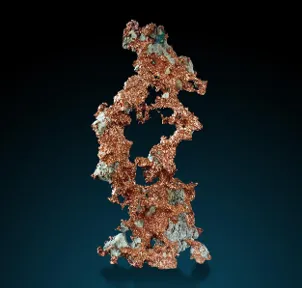
In basic volcanic rocks (basalts, andesites), the collector minerals often form millions of years after the eruption in the empty cavities, through the subsequent deposition of further overlying volcanic or sedimentary layers. This burial metamorphism leads to heating up to 250 °C, and the circulating hydrothermal solutions alter the volcanic glass matrix and the primary plagioclase. The resulting remobilization of Ca, Na, K, and Si from the volcanic rock and the surrounding rock leads to the formation of phyllosilicates (celadonite, chlorite), silica modifications (chalcedony, agate, quartz, amethyst), zeolites (stilbite, heulandite, apophyllite, scolecite, natrolite, chabazite), calcium silicates (prehnite, pumpellyite, datolite), as well as late carbonates (calcite) and native copper.
Volcanic fumaroles are active, gas-emanating fissures located on the flanks of active or cooling volcanoes. These hot gas streams contain incompatible and volatile metals and metalloids (including Cu, Zn, Pb, Bi, Mo, As, Sb, Se, Te, Re, V, Tl, and alkalis), which crystallize on the fumarole walls and in porous cinder crusts through resublimation (precipitation from the gas phase without a liquid intermediate) and through gas-rock reactions with the surrounding country rock. This process forms sulfates, arsenates, vanadates, selenites, molybdates, and complex copper halides (e.g., pypyrite, euchlorine, chalcocyanite, vergasovaite, lyonisite, atacamite), accompanied by oxides (tenorite, hematite, magnetite) and alkali chlorides (halite, sylvite). In cooler, sulfur- and reduction-dominated solfataras, native elements (native sulfur, selenium), sulfides and sulfosalts (realgar, orpiment, galena, bismuthinite, rheniite, cannizzarite), as well as ammonium and boron compounds (sal ammoniac, sassolin) crystallize. Since many of these fumarole minerals are water-soluble or hygroscopic, they are often only preserved long-term under dry climatic conditions or through rapid covering with younger volcanic ash.
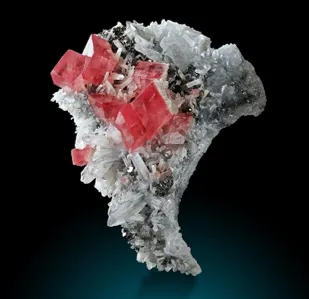
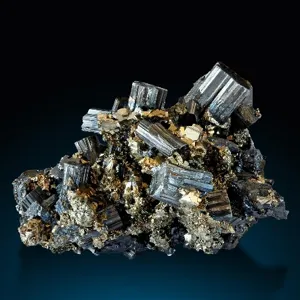
In the contact zone between plutonic intrusions and metamorphosed rocks, hot, aqueous solutions rise along tectonic weakness zones (faults, cracks) and percolate through the surrounding rock. The elemental load (Cu, Au, Bi, Sn, W, Mo, Cl, F, S) originates either directly from the magmatic source or is mobilized by intensive leaching of the surrounding rock. As the solution ascends into the higher, cooler crust, supersaturation and precipitation of the dissolved elements occur in open veins and cavities due to (1) a decrease in temperature, (2) a reduction in pressure (decreasing CO2 pressure), (3) changes in pH, (4) changes in oxygen fugacity, and (5) the mixing of different fluids. Hydrothermal veins are characterized by a symmetrical (banded) vein sequence that reflects the temporal progression of mineral deposition. In the early, highly thermal phase (catathermal, approx. 300–400 °C), quartz, as well as arsenopyrite, pyrite, wolframite, cassiterite, and pyrrhotite, are primarily deposited as gangue. In the subsequent main phase (mesothermal, approx. 200–300 °C), classic metal sulfides such as galena, sphalerite, and chalcopyrite predominate, accompanied by tetrahedrite tennantite, siderite, rhodochrosite, and dolomite. In the late, cooler phase (epithermal, approx. 100–200 °C), barite, calcite, fluorite, quartz (often as rock crystal or amethyst), marcasite, as well as native elements (silver, gold, bismuth) and complex sulfosalts (e.g., pyrargyrite, proustite, bournonite) crystallize in the remaining geodes and open vein spaces.
Mineral-rich vein deposits (MVT) are similar to classic hydrothermal vein deposits; however, the fluids originate exclusively from orogenic processes and are not associated with any form of magmatism. These fluids originate from deep sedimentary basins that were initially formed during a period of extensional rifting. Subsequent mountain building creates a foreland basin with terrestrial sediments and/or a carbonate platform. Driven by this compaction and the steep topographic gradient from the high mountains to the flat foreland, the metal-rich solutions migrate laterally for hundreds of kilometers through permeable sedimentary layers toward the foreland basin. Beforehand, the solutions leach metals such as lead, zinc, iron, and barium from the siliciclastic rocks and the crystalline basement. The solutions then ascend into the carbonate sedimentary layers, partially dissolving them and leading to the formation of solution cavities and breccias in which the minerals grow. Since mineralization occurs long after the deposition and diagenesis of the host rocks, MVT deposits are classified as "epigenetic." The characteristic ore minerals include primarily galena, sphalerite, and iron sulfides such as pyrite and marcasite. These are accompanied by dolomite, calcite, fluorite, barite, and occasionally quartz.
The overarching classification characteristic of hydrothermal replacement deposits is large-scale replacement, in which circulating, reactive fluids chemically dissolve entire rock units and largely replace them with newly formed minerals. In contrast to pure vein deposits, which merely fill open fractures, here the original host rock is completely transformed. The solutions can originate from both magmatic and non-magmatic, mostly metamorphic, processes.
The best-known type is the Carbonate Replacement Deposit (CRD) , in which hot, acidic, and metal-laden fluids rise from a deep-seated intrusion into thick limestone or dolomite sequences. The neutralization of the acidic solutions by the carbonate rock forms massive ore bodies consisting primarily of sulfides such as galena, sphalerite, pyrite, chalcopyrite, and pyrrhotite. Characteristic gangue minerals include quartz, late carbonates (calcite, rhodochrosite, dolomite), and fluorite. Perhaps the most famous example is the Tsumeb Mine in Namibia.
Iron oxide-apatite (IOA) and iron oxide-copper-gold (IOCG) deposits are mostly associated with intrusions in extensional settings (e.g., rifting or back-arc basins). In the deeper, hotter IOA systems, the ascending magma is strongly oxidized by the assimilation of evaporites from the crust and overloaded with volatiles such as chlorine, fluorine, and water. This concentrates magmatic magnetite and hydrosaline Fe-Ca-P solutions at the intrusion's apex. These phases intrude into the overlying host rock, leaching further elements and leading to large-scale sodium-calcium alteration (albite, actinolite, diopside, scapolite) as well as massive precipitation and replacement by magnetite and apatite. In later, cooler stages of development, magnetite is often partially or completely replaced by hematite through oxidation (martitization). A well-known example is Cerro de Mercado in Mexico. In shallower, cooler IOCG deposits, metal- and chloride-rich fluids ascend along deep-reaching fault zones into higher crustal regions and increasingly mix with cooler, oxidizing external solutions (e.g., meteoric waters). This temperature drop and the altered chemistry cause the alteration to shift from deep sodium-calcium alteration to potassium and hydrolytic alteration (potassium feldspar, biotite, sericite, chlorite, carbonates). Simultaneously, due to the high oxidation, primary hematite no longer dominates, but rather magnetite. Only at this later stage are the metal ions previously transported as chloride complexes destabilized, causing copper sulfides (chalcopyrite, bornite, chalcocite) and gold to precipitate along with rare earth elements (REE) and uranium.
The non-magmatic counterpart is formed, for example, by magnesite deposits (e.g., Oberdorf, Austria), which arise during mountain building through the large-scale circulation of hot, magnesium- or iron-rich solutions. In this process, marine limestones are transformed over large areas into massive magnesite, dolomite, siderite, or talc without the involvement of a magma chamber. During the dissolution of the original carbonates, incompatible trace elements such as strontium or barium are released, enriched in the subsequent residual solutions, and can then crystallize in cavities as strontianite and/or celestine.
Both sedimentary-exhalative deposits (SEDEX) and volcanic massive sulfide deposits (VMS) form on the seabed and in the underlying rock strata.
SEDEX deposits are associated with intracontinental rift basins and are formed by the presence of deep fault zones in the deposited basin sediments. At depth within these basins, trapped seawater and pore waters develop into a hot, highly saline solution due to the increasing geothermal gradient. As with many other deposits, the salinity of the solutions plays a crucial role, as chlorite ions first dissolve the metal ions (Pb, Zn, Fe, Ag) from the surrounding rock and then bind them as metal-chloro complexes, making them transportable. The hydrothermal solutions then rise along fault zones and emerge as hot brines on the seabed (exhalation). There, the solutions encounter reduced sulfur from bacterial sulfate reduction (BSR) in the anoxic, oxygen-free groundwater of the basin or from thermochemical sulfate reduction (TSR) in the sediment, leading to the precipitation of sulfides (sphalerite, galena, pyrite, pyrrhotite). With increasing infiltration, the originally fine-grained sulfide sludges recrystallize into coarser mineral aggregates and crystals.
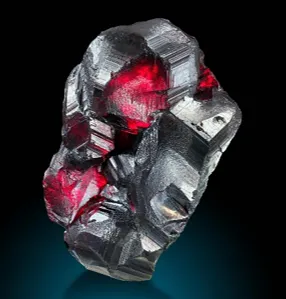
VMS deposits form in connection with submarine volcanism, at mid-ocean ridges, in back-arc basins, and on volcanic island arcs. Unlike SEDEX deposits, a magma chamber serves as the primary heat source, warming the seawater and thus leading to the formation of hot, highly saline solutions. These aggressive solutions leach metals from the surrounding rock and brecciate it. Eventually, the solutions emerge on the seabed, react with hydrogen sulfide, and precipitate as sulfide particles. Porous vents rapidly grow around the vent, from which black clouds of particles erupt (black smokers). Over time, these vents collapse, and a compact, lenticular massive sulfide mound grows from the debris, becoming increasingly zoned through recrystallization. Therefore, high-grade copper-iron ore (chalcopyrite, pyrite) remains in the hot center, while zinc-lead-barite ores (sphalerite, galena, barite) accumulate on the outside and top.
Collector minerals in both deposit types usually only form through subsequent metamorphic alteration and hydrothermal remobilization. Typical minerals include sulfides and sulfosalts (pyrite, pyrrhotite, sphalerite, galena, chalcopyrite, cobaltite, tetrahedrite-tennantite), sulfates (barite, gypsum, anglesite, brochantite), carbonates (calcite, siderite), and silicates formed by metamorphic alteration (e.g., rhodonite, spessartine).
During orogenic mountain-building processes at convergent plate margins, regional metamorphism (greenschist to amphibolite facies) occurs in the folded mafic volcanic rocks (greenstone belt) and/or metasediments. Large quantities of sulfur-rich metamorphic fluids are released, mobilizing gold from the rock in the form of sulfur (Au(HS)2-) . Along deep-reaching fault zones, the hot fluids rise in the crust. A sudden drop in pressure during a tectonic rupture event (e.g., an earthquake) creates fractures, the sulfur escapes, and gold precipitates along with dissolved silica (quartz).
Minerals in alpine fissures form millions of years after the peak of the actual mountain-building process from hydrothermal fluids. These hot solutions arise from (1) the dehydration reaction of minerals containing water of crystallization (such as clays, micas, or chlorites), (2) percolating surface water heated by the rising geothermal gradient, or (3) ascending metamorphic fluids from deeper, hotter regions of the mountain. The hydrothermal solutions cause intensive leaching of the host rock along the fissure walls. Elements such as Si, Al, Ca, Fe, Mg, Ti, as well as alkalis and trace elements (e.g., Be, B, REE) are dissolved from the rock-forming minerals, creating a characteristic, often porous and bleached alteration zone around the fissure. During the pressure drop in tectonic fracture formation, the CO2-Partialdruck sinks, causing the dissolved components to recrystallize on the fracture walls. Because the crystals can grow freely into the open cavity, exceptionally large single crystals form. The specific mineral composition of an alpine fracture is largely determined by the chemistry of the host rock. In acidic, silicate-rich rocks such as granites, gneisses, and mica schists, quartz (rock crystal, smoky quartz, filamentous quartz/gwindel), alkali feldspar (adularia), albite, chlorite, muscovite, and titanium-rich minerals such as rutile, anatase, brookite, and titanite are dominant. Apatite, fluorite, and rare earth element (REE) phosphates such as monazite are also frequently present. In contrast, calcium- and magnesium-rich phases such as epidote, clinozoisite, axinite, actinolite (byssolite), diopside, vesuvianite, grossular, and perovskite crystallize in basic and ultrabasic rocks like amphibolites, greenschists, and serpentinites. Carbonate rocks such as marbles and calc-silicate rocks, on the other hand, lead to paragenesis with calcite, dolomite, scapolite, and tremolite. In the very last, low-thermal phase (below 100–150 °C), advanced alteration of the host rock and precipitation from the strongly cooled residual solutions often result in the formation of so-called joint clays, a plastic, clayey filling mass of finely scaled phyllosilicates and chain silicates such as chlorite, illite, smectite, or palygorskite (mountain leather). This clay often protectively encases the previously formed crystals and preserves them from subsequent mechanical damage caused by tectonic movements.
SSC deposits form within intracontinental rift basins and are associated with a stratigraphic sequence in which oxidized, terrestrial red sediments (red beds) are overlain by reduced, often marine/lacustrine black shales, carbonates, or evaporites. During basin subsidence and diagenesis, oxidizing saline pore waters leach copper, cobalt, silver, lead, and zinc from the lower red sediments, ascend along faults, and encounter the reducing chemical barrier of the overlying, organic-rich black shales or pyrite-bearing carbonates. This leads to redox reactions and the precipitation of metal sulfides such as chalcocite, bornite, chalcopyrite, pyrite, galena, carrollite, sphalerite, and copper. Subsequent tectonic alterations and hydrothermal remobilization often result in larger crystals of these sulfides forming along fissures and veins, accompanied by dolomite, calcite, quartz and barite.
Skarns are formed primarily by contact metamorphic (metasomatic) processes at the interface between intruding, mostly intermediate to felsic magmas and carbonate host rocks such as limestones or dolomites. They preferentially form in magmatic arcs above subduction zones and in post-collisional orogenic belts, where magma intrudes into shallow crustal levels. The thermal energy of the pluton and the intensive exchange of substances via magmatic-hydrothermal fluids lead to profound chemical transformation of the host rock (exoscarn) and, in some cases, also of the margins of the intrusion itself (endoscarn). During the prograde, high-temperature phase (~400–650 °C), Si-, Al-, Fe-, and Mg-rich fluids displace the original carbonate rock, resulting in the formation of the characteristic calc-silicate parageneses. In the early-formed prograde skarns, the main rock-forming minerals are garnets of the grossular-andradite solid solution series, clinopyroxenes of the diopside-hedenbergite series, as well as wollastonite, vesuvianite, and scapolite. Depending on the protolith's chemical composition, calcium-feature silicates (calcareous skarns) tend to dominate in pure limestones, while in dolomitic rocks, magnesium-rich phases such as forsterite, spinel, and monticellite (magnesia skarns) crystallize more frequently. With the increasing cooling of the system and the admixture of meteoric waters, the retrograde phase (below ~400 °C) subsequently begins, in which the anhydrous high-temperature silicates are replaced by hydrous minerals such as epidote, actinolite, tremolite, chlorite, axinite, danburite, datolite, and ilvaite. In this late stage, due to decreasing temperatures and changing pH values, most ore minerals such as magnetite, hematite, scheelite, cassiterite, and sulfides (e.g., chalcopyrite, sphalerite, galena, pyrite) precipitate out. Subsequent hydrothermal alteration and modification can also lead to the formation of hydrous calcium and manganese borates such as olshanskyite, pentahydroborite, Roweit, or borcarite through the reaction of boron-containing residual solutions with the calcium-rich skarn host rock.
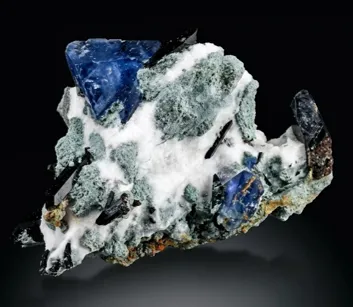
Ophiolites are fragments of former oceanic lithosphere that were thrust into the continental crust during continental collision (mountain building) (obduction). Prior to this, the ultramafic mantle component (peridotite) was usually already transformed into serpentinites by seawater and/or metamorphic fluids. During this hydration, the anhydrous, magnesium-rich silicates olivine and pyroxene react to form minerals of the serpentine group (antigorite, lizardite, chrysotile), as well as magnetite and brucite. Since serpentine can hardly incorporate calcium into its crystal lattice, silicon-undersaturated and calcium-rich fluids are formed. When these aggressive fluids encounter embedded mafic dikes (e.g., gabbros or basalts) or crustal blocks within the serpentinite, intense calcium metasomatism occurs at the interfaces. Through the influx of calcium and the simultaneous leaching of silicon and alkalis, mafic rocks are transformed into dense, light-colored calc-silicate rocks known as rodingites. Characteristic parageneses of grossular (often hessonite) and hydrogrossular, vesuvianite, diopside, clinochlore, epidote, and prehnite crystallize in open fractures and tectonic tension faults within these rodingite zones. Furthermore, in tectonically stressed serpentinite bodies (mélange zones), sodium-, titanium-, and barium-bearing hydrothermal fluids can react with embedded blocks of metasediments (blueschists/greenschists). This specific exchange of substances at the contact zones leads to the formation of rare silicates in open fissures, such as in the world-famous New Idria serpentinite in California, with its paragenesis of benitoite, neptunite, joaquinite-(Ce), and natrolite. Furthermore, late hydrothermal alteration in fissures and fractures of serpentinites produces other minerals, such as chrysotile, brucite, magnesite, talc, artinite, hydromagnesite, and intensely colored phases due to traces of chromium, such as uvarovite, kämmererite (Cr-clinochlore), and stichtite.
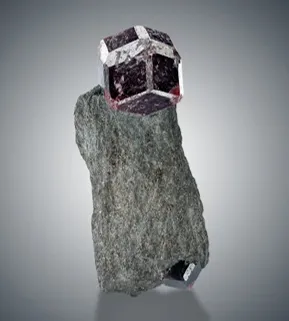
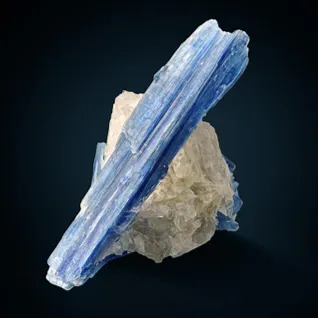
During regional metamorphic events (mountain building), sedimentary protoliths such as mudstones (pelites), marls, and carbonates (limestones, dolomites) are transported to great depths, where they recrystallize in the solid state under elevated pressure and temperature conditions (amphibolite to eclogite facies) without complete melting. During the metamorphism of aluminum-rich pelitic sediments (metapelites), continuous dehydration reactions occur, degrading phyllosilicates such as chlorite and muscovite and allowing porphyroblasts to grow from garnet (especially almandine), staurolite, biotite, and the Al₂SiO₅ modifications kyanite, sillimanite, and andalusite. Furthermore, released metamorphic fluids can locally mobilize aluminum and silica and concentrate them in internal quartz veins, enabling the growth of exceptionally large, idiomorphic crystals (e.g., kyanite). Large regional metamorphic events are often accompanied by additional contact metamorphic alterations from magmatic intrusions, which increases the thermal energy input and can thus promote the growth of particularly large crystals (e.g., Garnet Ledge, Alaska). When regional metamorphism affects impure carbonate rocks (marbles), the detrital silicate and clay minerals they contain can release elements such as chromium, vanadium, boron, or fluorine. This leads to the crystallization of sought-after gemstone minerals such as corundum (ruby and sapphire), spinel, pargasite, tourmaline (dravite, uvite), humite group minerals (e.g., clinohumite), and scapolite. World-famous examples of such marble-associated para deposits are Luc Yen in Vietnam, Mogok in Myanmar, and the Hunza Valley in Afghanistan.
The fluids released during regional metamorphism can also form large-scale metasomatic fluid zones (see below).
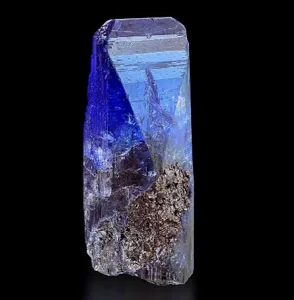
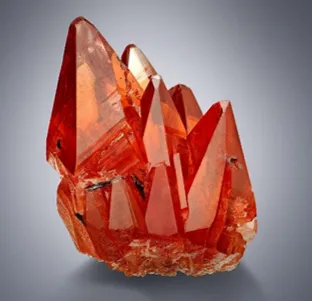
During regional metamorphic events (mountain building), mineral dehydration reactions generate large quantities of hydrothermal solutions, leading to the chemical leaching and alteration of the emerging metasediments as well as the overlying rock units. Unlike hydrothermal displacement deposits, the mobilization of these fluids is directly related to the metamorphic event, both temporally and spatially. In fissures and cavities, there is an abrupt drop in pressure and temperature, which, depending on the solution composition, can result in the crystallization of highly variable mineral associations. In reducing, graphite- and sulfide-bearing metasediments (such as Merelani Hills, Tanzania), vanadium- and chromium-rich fluids lead to the formation of prominent silicates such as vanadium zoisite (tanzanite), chromium diopside, tsavorite (vanadium grossular), and tremolite, accompanied by graphite, pyrite, and calcite. In contrast, in oxidizing, primarily manganese-rich sedimentary sequences (such as the Kalahari, South Africa), hydrothermal fluid circulation causes profound transformation and recrystallization of primary manganese ores (e.g., braunite) into manganese silicates, oxides, and carbonates, such as rhodochrosite, sugilite, manganese vesuvianite, hausmannite, sturmanite, and ettringite. Through multiphase tectonic reactivation and retrograde cooling phases, older parageneses are often partially reactivated and overgrown by late, hydrous sulfates, zeolites, and other secondary phases. In similarly complex, but sulfur-poor iron-manganese deposits (such as Långban, Sweden), retrograde metamorphic fluids selectively leach lead, arsenic, and antimony from the rock. Due to the lack of sulfur, classical sulfides can hardly form, so that in open fissures an extraordinary paragenesis of native lead, manganese oxides (e.g. pyroite, långbanite) and rare lead silicates and arsenates (e.g. kentrolite, allactite) could crystallize.
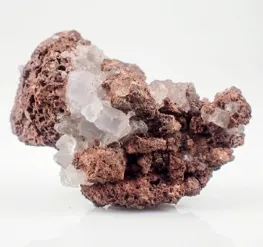
Supergene alteration deposits form through the deep chemical weathering and oxidation of primary ore bodies at the Earth's surface. Tectonic uplift and erosion bring various sulfide-bearing deposits, such as porphyry copper deposits (PCDs), carbonate replacement deposits (CRDs), or hydrothermal vein deposits, into oxygen-rich (oxidizing) zones above the groundwater table, triggering complex dissolution and precipitation reactions. The oxidation of primary sulfides (especially pyrite) produces sulfuric acid, which significantly lowers the pH of the percolating water and mobilizes metals from the primary ore. These metal-rich, acidic solutions migrate downwards and are neutralized and reduced by reactions with the surrounding rock (especially carbonates) or upon reaching the groundwater table, leading to the zonal precipitation of characteristic secondary minerals.
The classic structure of a large supergene deposit (e.g., PCD) is divided into three main zones from top to bottom: At the very top lies the leached zone, which in very pyrite-rich ore bodies forms a massive iron cap (gossan). Acidic seepage waters have leached almost all metals from this zone, leaving behind only sparingly soluble iron oxides and hydroxides (goethite, hematite, limonite) as well as residual quartz and clay minerals. Below this is the oxidation zone, characterized by high oxygen content and a variable pH value. Here, the reaction of metal ions with carbonate, phosphate, arsenate, vanadate, sulfate, or halide ions results in the crystallization of a wide variety of colorful collector minerals in cavities and fissures. At the transition to the groundwater level (redox boundary) lies the cementation zone, in which, under reducing conditions, more noble metals (especially copper) are enriched by displacement of primary sulfides (e.g. chalcopyrite or pyrite) in the form of secondary sulfides such as chalcocite, digenite or covellite, as well as in native metals (native copper, native silver).
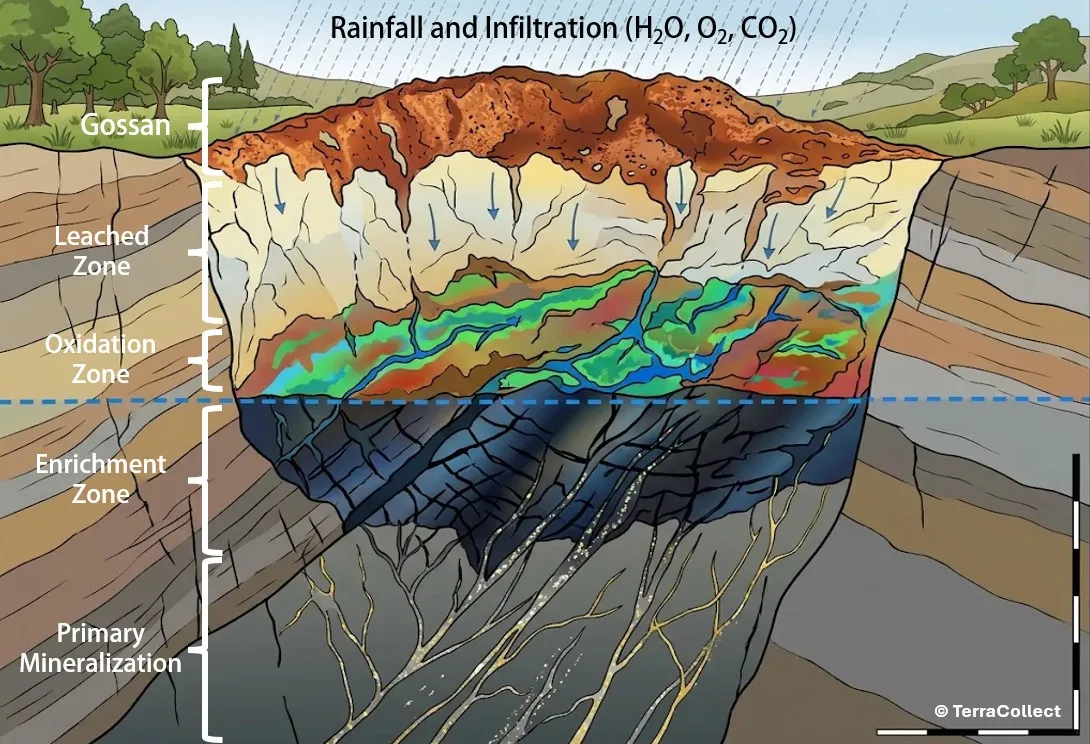
Tectonic faults and deep aquifers (especially in karstified CRDs, such as the Tsumeb Mine in Namibia) allow oxygen-rich surface waters to penetrate into selected areas far below the actual groundwater table. This disrupts the classic vertical structure, resulting in several spatially separated supergenic sequences in which deep oxidation zones alternate with unaltered primary ore zones.
Depending on the chemistry of the primary ore and the composition of the surrounding country rock (e.g., carbonate or phosphate availability), the primary ore minerals weather to form specific secondary mineral associations:
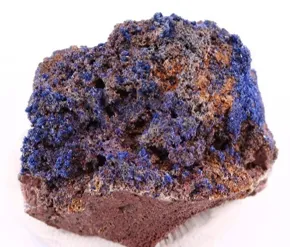
Primary copper minerals (e.g., chalcopyrite, bornite, tennantite tetrahedrite) preferentially oxidize in the oxidation zone to carbonates such as malachite and azurite, the oxide cuprite, as well as silicates (chrysocolla, dioptase) and sulfates (brochantite, chalcanthite). In the presence of phosphates or arsenates, species such as libethenite, pseudomalachite, olivenite, or conichalcite are also formed.
Primary lead minerals (especially galena) often weather initially to the sulfate anglesite and, under the influence of carbonate, to cerussite. If phosphate, arsenate, or vanadate ions are added, minerals of the apatite group crystallize, such as pyromorphite, mimetite, vanadinite, descloizite, volborthite, and, in the presence of chromium or molybdenum, crocoite and wulfenite.
Primary zinc minerals (especially sphalerite) release zinc ions, which, due to their high mobility, are often transported further and only precipitate upon contact with carbonate rock as smithsonite or hydrozincite, and in silicate environments as hemimorphite or willemite.
Primary arsenic and cobalt/nickel minerals (e.g., arsenopyrite, löllingite, skutterudite) provide arsenate ions for the formation of secondary arsenates such as scorodite, adamine, or the strikingly colored secondary minerals erythrite and annabergite.
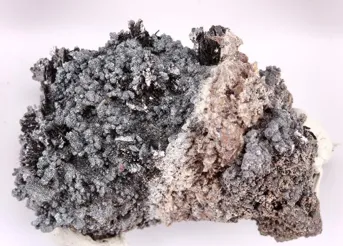
Primary silver minerals (e.g., acanthite, pyrargyrite) are converted in halide-rich waters (especially in arid climates) into sparingly soluble silver halides such as chlorargyrite, bromargyrite, and iododargyrite, or reduced to native silver.
In primary uranium minerals (especially uraninite), U4+ is oxidized to U6+ (uranyl ion). In combination with phosphate, arsenate, silicate, vanadate, or carbonate ions, the strikingly colored secondary minerals of the uranyl group crystallize from this, including autunite, torbernite, uranophane, carnotite, and curite.
Furthermore, primary sulfides and sulfosalts such as sphalerite, galena, or tennantite tetrahedrite often act as host minerals for rare trace elements like germanium, gallium, indium, cadmium, thallium, or mercury. During supergenic alteration of the primary ores, these trace elements are released and concentrated. This allows for the crystallization of rare secondary minerals, such as germanates and gallates (e.g., stottite, Fleischerite, or söhngeite), cadmium sulfides and carbonates (greenockite, otavite), and complex mercury halides (e.g., terlinguaite, eglestonite).
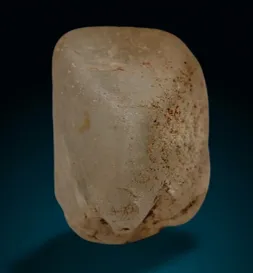
Alluvial placer deposits form through secondary, exogenous enrichment processes in which mechanically and chemically resistant minerals are dissolved from their primary host rock, transported, and gravitationally deposited. The starting point is weathering, usually highly metamorphic or igneous rock complexes such as granulites, marbles, pegmatites, or basalts. Through intensive chemical weathering, mostly under humid tropical climatic conditions, the easily weathered rock-forming silicates (such as feldspars or mica) decompose into clay minerals, releasing the more stable minerals. Subsequent erosion and fluvial transport through river systems lead to natural density and grain size sorting. As soon as the water flow velocity decreases, such as at river meanders, behind rock barriers, or at the transition from mountain valleys to wide alluvial plains (e.g., Ratnapura, Sri Lanka, or Mogok, Myanmar), the heavier minerals are deposited together with coarse quartz pebbles. Due to the high mechanical stress during transport, only minerals with great hardness (usually Mohs hardness > 7), no or weak cleavage, and high chemical resistance survive. These minerals include quartz, magnetite, ilmenite, rutile, monazite, and various garnets (e.g., almandine, pyrope). Particularly sought-after gemstones include corundum (ruby and sapphire), spinel, chrysoberyl, topaz, zircon, tourmaline, beryl, and diamond. Characteristic of these crystals is their often water-clear quality with few inclusions, as cracked or heavily altered areas were destroyed during transport, as well as their typical smooth edges and matte crystal faces resulting from rolling.
Evaporitic deposits form through the continuous evaporation of aqueous solutions in arid to semi-arid climates, where the evaporation rate must permanently exceed the inflow of fresh water. A fundamental distinction is made between marine systems, which form in isolated marginal seas or shallow lagoon basins, and non-marine (continental) systems in closed inland basins (salt lakes). Due to the continuous loss of water, the ion concentration of the solutions steadily increases until the respective solubility products are exceeded and the minerals precipitate in a fractional sequence.
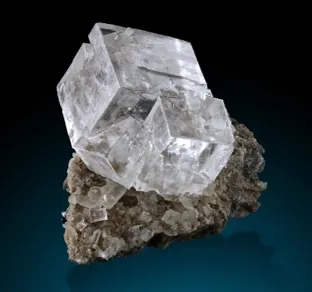
In classic marine systems, this crystallization sequence begins with sparingly soluble carbonates (calcite, dolomite), followed by sulfates (gypsum/anhydrite), and culminates, upon strong evaporation, in thick chlorides such as halite (rock salt). Only in the extreme final stage of evaporation do readily soluble potassium salts (e.g., sylvite, carnallite) and complex sulfates (e.g., kieserite, picromerite) precipitate from the remaining potassium and magnesium. Due to sedimentary overburden and increased lithostatic pressure, the plastically deformable salt can rise as salt domes via halokinesis, and large, water-clear halite or sylvite crystals can often form in the fissures of these domes through recrystallizing residual brines.
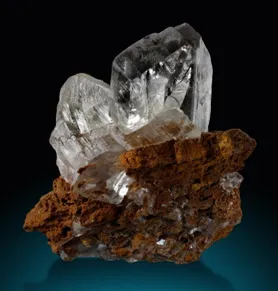
In non-marine, continental salt lakes (e.g., Searles Lake in California), the resulting mineral assemblage depends heavily on the geological environment and the weathering of the surrounding rocks. Hydrothermal inflows and the leaching of volcanic rocks lead to unusual concentrations of boron, lithium, sodium, carbonate, and sulfate in the salts. Rare borates (e.g., borax, kernite, ulexite, colemanite), soda minerals (e.g., trona, nahcolith), and complex sulfates such as hanksite, sulfohalite, and northupite crystallize from these specialized solutions. Secondary processes, such as near-surface weathering in the groundwater zone, can redissolve and precipitate many salt minerals. This can lead to the inclusion of iron oxides, which, for example, gives gypsum crystals their red color.
Diagenetic-authigenic deposits form after the deposition of sediments during their consolidation (diagenesis) through physical and chemical processes at relatively low temperatures (below 200 °C) and moderate pressures in the upper crust. Compaction and dewatering of the sedimentary layers mobilize pore waters, which become enriched with dissolved ions from the dissolution of unstable detrital minerals and from the microbial degradation of organic substances.
In reducing, anoxic environments, such as in claystones, marls or organically rich sludges, bacterial sulfate reduction leads to the formation of hydrogen sulfide and the precipitation of characteristic iron sulfides such as pyrite and marcasite (e.g. marcasite from Cap Blanc-Nez in France).
Through the decomposition of organic phosphorus compounds and the release of iron from sediments, authigenic phosphates such as vivianite, anapaite or ludlamite can crystallize in cavities of shells or fossil bones of oolitic iron ores (e.g. Kerch in Crimea).
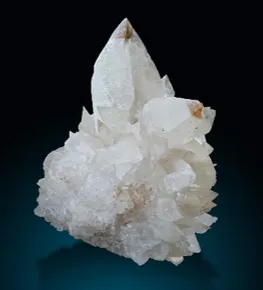
Evaporite sequences (e.g., gypsum) also provide a chemically highly reactive environment for the formation of autigenic minerals. The dehydration of impure gypsum sequences during diagenesis results in highly saline, Mg- and SiO2-rich pore solutions that can lead, for example, to the formation of autigenic double-terminated quartz (e.g., Jacinto de Compostela from Spain) and autigenic borates and sulfates (e.g., borate or celestine).
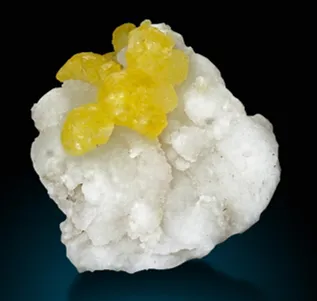
The biogenic sulfate reduction of gypsum by anaerobic bacteria in the presence of hydrocarbons can also result in the conversion of the sulfates to secondary calcite. Large sulfur crystals, celestine, aragonite, and rare manganese sulfides (e.g., hauerite) crystallize in the resulting solution cavities.
Calcite, barite, aragonite or strontianite crystallize in fissures, septaria and fossil cavities of carbonate rocks and mudstones through diagenetic processes (e.g. Elk Creek, USA).